Kidney Stones and Flank Pain: Causes and Prevention
Kidney Stones and Flank Pain: What Causes Them and How to Prevent the Next One
I’ll be honest with you.
For most of my life I assumed kidney stones were something that happened to other people. Then I started reading the numbers, and they stopped feeling so distant. Roughly 10.6% of US men report a lifetime history of kidney stones, compared with 7.1% of women. Men develop them at about twice the rate of women, though that gap is narrowing.
So if you’re a man wondering whether this is worth paying attention to, the answer is probably yes.
Here’s the short version, up front. Kidney stones are hard mineral deposits that can lodge in your urinary tract and cause severe, wave-like flank pain. The single most effective thing you can do to prevent them is drink enough fluid to produce about 2 to 2.5 liters of urine per day. And one warning I want to give you before anything else — a kidney stone with a fever is not something to wait out. That’s an emergency.
Let’s walk through it slowly.

What a Kidney Stone Actually Is
A kidney stone is a hard deposit of minerals and salts that forms inside the kidney. The medical terms are nephrolithiasis or urolithiasis, but the plain description is enough — crystals form when your urine holds more crystal-forming substances (calcium, oxalate, uric acid) than the fluid can dilute, or when it lacks the substances that stop crystals from sticking together, such as citrate.
Low urine output and dehydration are common threads across almost every stone type.
They’re more common than I expected, too. About 9.9% of US adults report having had one. And the rate has been climbing — from around 3.8% in the late 1970s (NHANES 1976–80) to 8.8% and higher in recent data.
The four main types
Not all stones are the same, and this matters because prevention differs by what the stone is made of.
- Calcium oxalate — about 80% of all stones. By far the most common. They form when calcium binds oxalate in the urine.
- Uric acid — about 5–10%. These form in persistently acidic urine and show up more with gout and high-animal-protein diets.
- Struvite — about 10–15%. Linked to urinary tract infections; they grow fast in alkaline urine and can become large “staghorn” stones.
- Cystine — less than 1%. Rare and genetic (cystinuria), and they tend to come back.
Knowing your stone type is not a technicality. After you pass a stone, a 24-hour urine test can personalize your prevention plan, according to the National Kidney Foundation. It’s worth asking for.
Why the Flank Pain Gets So Bad
If you’ve never had a stone, it’s hard to describe the pain to you. If you have, I probably don’t need to.
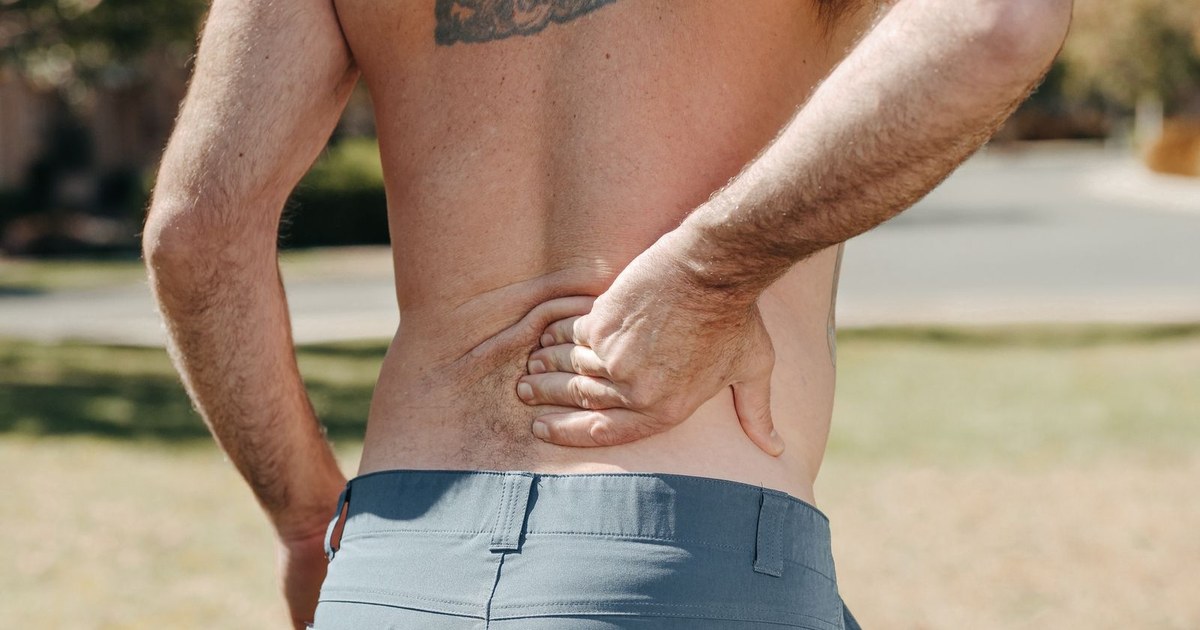
The classic symptom is severe, sharp flank pain — in the side and back, below the ribs — that comes in waves and rises and falls in intensity. As the stone moves, the pain can radiate down into the lower abdomen and groin.
But it’s rarely just pain. Other signs the research points to:
- Pain or burning when you urinate
- Pink, red, or brown (bloody) urine
- Cloudy or foul-smelling urine
- Frequent urination, or urinating only small amounts
- A persistent urge to urinate
- Nausea and vomiting
One thing worth knowing — small stones can pass with no symptoms at all. Trouble usually starts when a stone moves into the ureter and blocks the flow of urine.
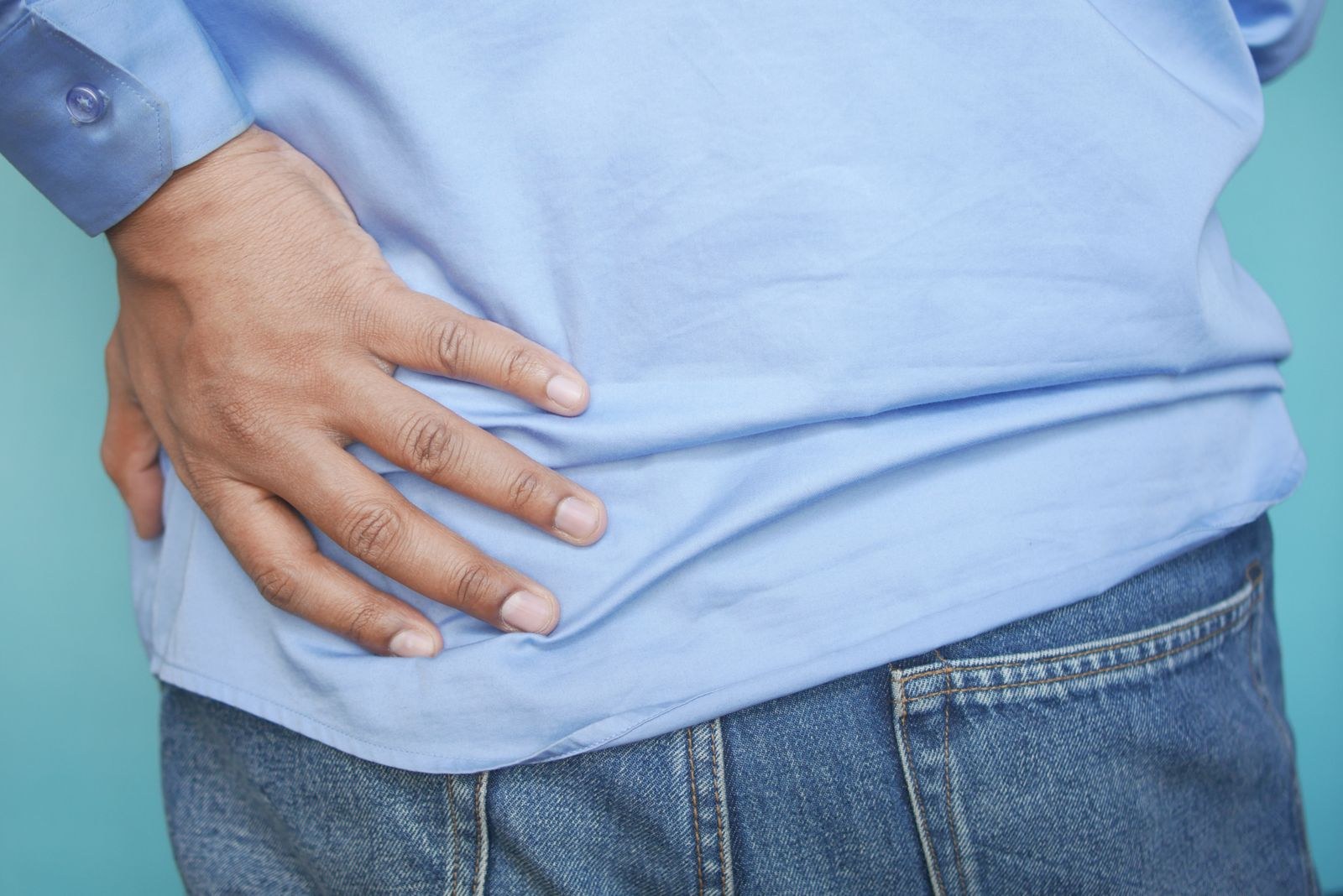
Photo: Towfiqu barbhuiya / Pexels
What Actually Causes Stones
This is the part I wish someone had explained to me earlier, because most of it is about daily habits.
Not drinking enough
Low fluid intake is the dominant modifiable risk. When you’re dehydrated, your urine gets concentrated, and concentrated urine is exactly where crystals form. Of everything on this list, this is the one that matters most (NIDDK, Mayo Clinic).
Too much salt
A high-sodium diet increases the amount of calcium in your urine, which raises the risk of calcium stones (NIDDK, National Kidney Foundation).
Too much animal protein
Beef, pork, poultry, and fish raise uric acid and lower urinary citrate. Both changes push you toward more stones (NIDDK).
The counterintuitive one — too little dietary calcium
This surprised me. Cutting calcium from your food raises your calcium-oxalate risk, because dietary calcium binds oxalate in your gut before it can reach your kidneys. The National Kidney Foundation states that a low-calcium diet can raise stone risk by about 50%.
So no — going low-calcium is not the move.
Everything else
Metabolic factors matter too: high urine calcium (hypercalciuria), high oxalate (hyperoxaluria), and low urine citrate (hypocitraturia) are major drivers of calcium stones. Obesity, diabetes, and high sugar or sugary-drink intake all raise risk. So do gout and acidic urine (uric acid stones), recurrent UTIs (struvite), and family history (cystine).
And here’s the reason prevention is worth the effort. After a first stone, there’s roughly a 50% chance of another within 5 years. Some sources put lifetime recurrence at 50–75%. The figures vary by dataset and follow-up length — some report about 20% at 5 years, others up to 80–90% at 10 years — but they all agree on one thing.
Recurrence is common.
How to Prevent the Next One
Here’s what the evidence actually supports. I’ll try not to just list numbers at you, but some of these numbers matter.

Photo: Towfiqu barbhuiya / Pexels
1. Drink enough — this is the big one.
Aim to produce about 2 to 2.5 liters of urine per day. In practice that’s often described as roughly six to eight 8-ounce glasses of fluid daily, mostly water, and more when it’s hot or you’re exercising (NIDDK, National Kidney Foundation). One note on wording — the goal is really the urine output, not a fixed intake. Dilute urine is the target.
2. Add citrate.
Citrate stops crystals from clumping and slows calcium-stone growth. A common recommendation is about 4 fluid ounces of lemon juice daily (or equivalent lemon or lime), unsweetened. In studies, lemonade raised urinary citrate by around 203 mg/day and urine volume by around 763 mL/day. Keep it unsweetened, though — sugar raises stone risk.
3. Cut the salt.
Aim for under 2,300 mg of sodium per day (one teaspoon of table salt is about 2,325 mg). Less sodium means less calcium in your urine (NIDDK).
4. Ease off animal protein.
Reduce beef, pork, chicken, and fish, and consider plant proteins like beans and lentils (NIDDK).
5. Keep your dietary calcium up.
Get 1,000–1,200 mg per day from food — roughly two to three dairy servings. Do not cut calcium (National Kidney Foundation).
6. Eat your fruits and vegetables.
At least five servings a day. DASH and Mediterranean-style diets are both associated with fewer stones (National Kidney Foundation).
7. Manage oxalate if you’re a calcium-oxalate former.
Go easy on high-oxalate foods like spinach, rhubarb, nuts, and wheat bran — and pair them with calcium-containing foods so the oxalate binds in your gut (NIDDK).
8. Personalize it.
After a stone, that 24-hour urine test guides targeted prevention. For documented low urinary citrate, potassium citrate is the first-line prescription therapy, and it helps with uric-acid, cystine, and calcium-oxalate stones. Lemon juice is a helpful add-on — but it’s not a replacement for a prescribed treatment your doctor recommends.
When It’s an Emergency — Please Don’t Wait This One Out
I want to be very direct here, because this is the part that can actually save a life.
A kidney stone that blocks the flow of urine while an infection is present can rapidly progress to a kidney infection and then to sepsis. Sepsis from bilateral obstructing ureteral stones carries a reported mortality of around 7%. Prompt treatment is critical.
Go to the ER or call emergency services if kidney stone symptoms come with any of these:
- Fever and/or chills — a fever above 101.5°F (38.6°C) suggests infection spreading into the blood (Sepsis Alliance)
- Rapid heartbeat, rapid breathing, low blood pressure, or confusion
- Pain so severe you can’t sit still or get comfortable
- Unrelenting nausea or vomiting
- Blood in your urine, or an inability to urinate at all
A stone plus a fever is not a “wait until morning” situation. It’s an emergency.
A Few Honest Closing Words
I won’t pretend any of this is a guarantee. Prevention has to be individualized by your stone type, and general advice — including everything in this article — is not a substitute for a urologist’s or nephrologist’s evaluation and a proper 24-hour urine test.
But most of what moves the needle is quietly ordinary. Drink more water. Salt your food a little less. Don’t be afraid of dietary calcium. Squeeze some lemon into that water while you’re at it.
If you’ve already had one stone, the odds of a second are real enough to take seriously. And if a stone ever shows up alongside a fever, you already know what to do now.
That knowledge is the whole point.
This article is educational information, not medical advice. If you suspect a kidney stone, consult a physician (a urologist or nephrologist) for diagnosis and treatment. Seek emergency care for the red-flag symptoms described above.
References
Drawn from NIDDK, the National Kidney Foundation, the American Urological Association, Mayo Clinic, NYU Langone, the University of Chicago Kidney Stone Program, NHANES / Journal of Urology analyses, the Sepsis Alliance, and RACGP HANDI citrate guidance.