Leg Swelling and Fluid Retention in Women: How to Fix It
I’ll be honest with you. For years I treated my puffy morning face and my heavy, swollen legs at night as two unrelated annoyances. The face was “I slept funny.” The legs were “I stood too long.” It never crossed my mind that both might be pointing at the same quiet thing.
Then I started reading, and the picture got more interesting.
If you wake up puffy around the eyes and finish the day with legs that leave a sock-line dent, you’re not imagining it. There’s a common thread, and it comes down to how your body moves fluid — your circulation and fluid balance. This isn’t a dramatic problem for most people, and I’ll be upfront about what genuinely helps versus what’s just wishful. But I also want to be clear about one thing early: some swelling is a warning sign, and I’ll flag exactly when to stop reading blogs and see a doctor.
Photo: Andrea Piacquadio / Pexels
A quick, important note before we go further. This is general information, not medical advice. Leg swelling and fluid retention have many possible causes, and some of them are serious. I’ll point those out along the way.
What is fluid retention, really?
Edema is the medical word for swelling from fluid trapped in your body’s tissues. When it settles in your feet, ankles, and lower legs, it’s called peripheral edema.
According to the Cleveland Clinic and Mayo Clinic, it happens when the normal balance of fluid moving in and out of your tiny blood vessels gets disrupted, and fluid leaks into the surrounding tissue. You notice it as puffiness, shiny or stretched skin, a tight feeling in your shoes or rings, and sometimes a dent that stays for a second after you press — that’s called pitting.
Here’s a myth I want to clear up right away, because I believed it for far too long.
Swelling does not turn into fat. It’s fluid, not tissue. The reason it’s worth taking seriously isn’t that puffiness becomes body fat — it’s that sluggish circulation and fluid retention are worth addressing on their own terms.
Why does swelling settle in the lower body?
Blood has an awkward job in your legs. It has to travel back up to your heart, against gravity.
The deep veins in your legs rely on something called the calf muscle pump. When you walk, your calf muscles squeeze those veins and push blood upward, and one-way valves stop it from sliding back down. It’s a genuinely clever system — but it only works when the muscles are actually moving.

So when you sit at a desk for hours or stand still all day, the pump goes idle. Pressure builds in the veins of your feet and lower legs, and fluid is more likely to seep out into the tissue. That’s why so many of us are fine in the morning and puffy by evening.
Over the longer term, weak or leaky vein valves — a condition called chronic venous insufficiency — can cause ongoing swelling and heaviness. And here’s a detail worth knowing: it’s more common in women.

Photo: Ilarawan Photography / Pexels
Why women retain fluid more than men
This is where I have to be careful, because there’s a tidy story going around that isn’t quite right.
You’ll sometimes hear that women swell more simply because they have less lower-body muscle. The honest version is more about hormones. Progesterone relaxes the smooth muscle in your vein walls, so when it rises, your veins lose a little tone and blood drains from the legs more slowly. Progesterone also nudges your body to hold onto fluid.
That’s why fluid retention is so tied to the menstrual cycle.
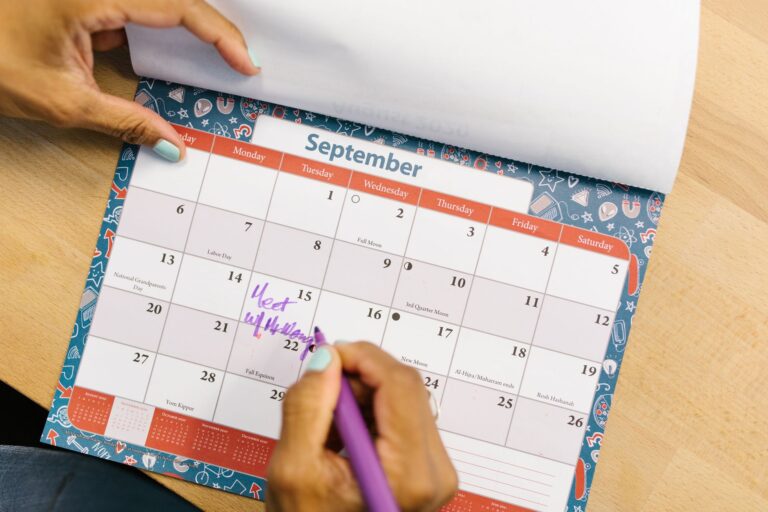
Premenstrual swelling — puffy fingers, heavy legs, a tighter waistband in the second half of your cycle — is genuinely common, affecting a large majority of women in the days before their period, when progesterone dominates. Pregnancy and menopause shift these hormones too, which is why fluid balance changes across a woman’s life.
The muscle point still matters, but not as a female curse. The calf pump depends on using your muscles. That’s true for everyone, and it’s also the most fixable part.
When is swelling actually a warning sign?
This section matters more than any food or stretch in this article, so please don’t skim it.
Most everyday puffiness is benign. But sometimes swelling is your body flagging something serious, and the pattern tells you a lot.

Please see a doctor promptly — or seek emergency care — if you notice:
- Swelling in only one leg, especially if it’s painful, warm, or red. This can signal a blood clot (deep vein thrombosis), which is a medical emergency.
- Sudden swelling, or swelling that worsens quickly.
- Swelling with shortness of breath or chest pain. This can point to a heart problem or a clot that reached the lungs. Call 911.
- Swelling with fever, severe pain, or hot red skin (possible infection).
- Facial or mouth swelling — call 911.
Beyond those, persistent or unexplained swelling deserves a check-up, particularly if you have a personal or family history of heart, kidney, liver, thyroid, or lung problems. As Mayo Clinic puts it plainly, even mild leg swelling that sticks around should be evaluated. And if you’re pregnant, sudden swelling can be a sign of preeclampsia, so follow your OB’s guidance rather than a blog’s.
Okay. With all of that said, here’s what actually helps the everyday kind.
What actually reduces everyday fluid retention
None of this is dramatic, and that’s rather the point. These line up with the home-care guidance from Mayo Clinic and Cleveland Clinic.
Cut back on sodium
Less salt means less fluid held. The usual culprits aren’t the salt shaker — they’re processed and canned foods, cured meats, and restaurant meals.
General guidance for people prone to fluid buildup keeps sodium somewhere in the 2,000 to 3,000 mg a day range, and the U.S. dietary cap for adults sits under 2,300 mg. You don’t need to weigh your food. Just noticing the big sources — the soup, the deli meat, the takeout — gets you most of the way.
Eat more potassium-rich foods
Potassium helps your kidneys clear excess sodium, so the two work as a pair.
Good sources are more varied than the banana you’re picturing: potatoes and sweet potatoes, spinach and leafy greens, avocado, white beans, and yogurt all deliver more than a banana does. One caveat — if you have kidney disease, check with your doctor first, because you may need to limit potassium rather than add it.

Photo: Rasul Yarichev / Pexels
Move, and work the calf pump
This is the free win.
Regular walking keeps that calf muscle pump active and improves how well blood returns from your legs. If you sit for work, the fix is small and frequent: stand up, do a few calf raises, or pump your ankles up and down every hour. Swimming and cycling count too. The point isn’t a workout — it’s not letting the pump sit idle for hours.
Elevate your legs
When you can, get your legs up above the level of your heart so fluid drains back toward your core.
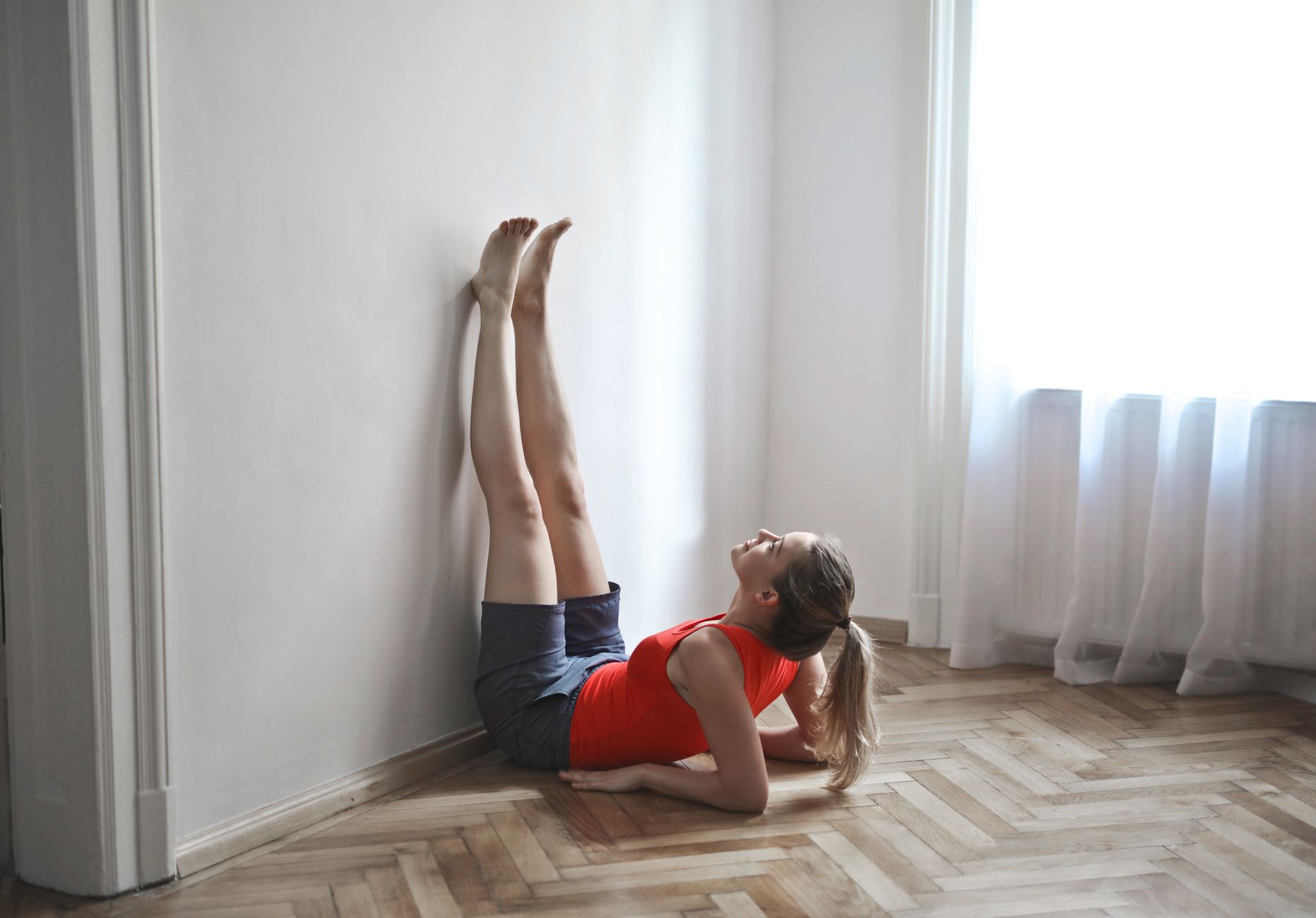
A commonly suggested routine is about 15 minutes, three or four times a day. The easiest version is “legs up the wall” — lie on your back with your legs resting straight up an L-shape against a wall. I do it at the end of the day, and it’s honestly the most pleasant item on this list.

Photo: Thirdman / Pexels
Compression, with a caveat
Compression stockings can support venous return and are a mainstay for some people. But check with a provider before you rely on them, especially if you have artery disease or diabetes — this is one where the right call depends on your circulation, not a general tip.
A few honest expectations
For the everyday, benign kind of swelling, people who tackle salt, movement, and elevation together often notice a difference within a week or so. That’s encouraging — but it’s also a useful test.
Because if you do these things and the swelling doesn’t budge, or it’s one-sided, sudden, or comes with breathlessness, that’s not a reason to try harder at home. That’s your cue to get it checked.
- Watch the big sodium sources rather than obsessing over the shaker.
- Add potassium-rich foods like greens, avocado, and potatoes.
- Break up long sitting or standing with movement every hour.
- Put your legs up the wall for 15 minutes in the evening.
- Keep the red flags in mind — home habits are for ordinary puffiness, not for warning signs.
I used to grit my teeth through my puffy mornings and heavy evenings as if they were just weather. What changed wasn’t a miracle. It was realizing they shared a quiet cause — how my body was moving fluid — and that a walk, a plate with more greens, and a few minutes with my legs up the wall were small, honest things I could actually do.
Your body isn’t being dramatic when it holds water. It’s telling you something about your circulation. The kind response is to listen, move a little more, and check in with your doctor when the signal gets louder — because some messages deserve more than a heating pad or a glass of water can answer.
References
– Cleveland Clinic — Edema: When Swelling Is a Cause for Concern
– Mayo Clinic — Edema: Symptoms and causes; Leg swelling: Causes
– Mayo Clinic News Network — Q&A: Mild leg swelling should be evaluated
– Cleveland Clinic — Lymphedema
– PMC — Characterization of symptoms and edema distribution in premenstrual syndrome
– Vein Clinics — How Hormones Can Influence Circulation and Vein Health in Women