How to Dispose of Expired Medicines and Stock First Aid
Let me admit something a little embarrassing.
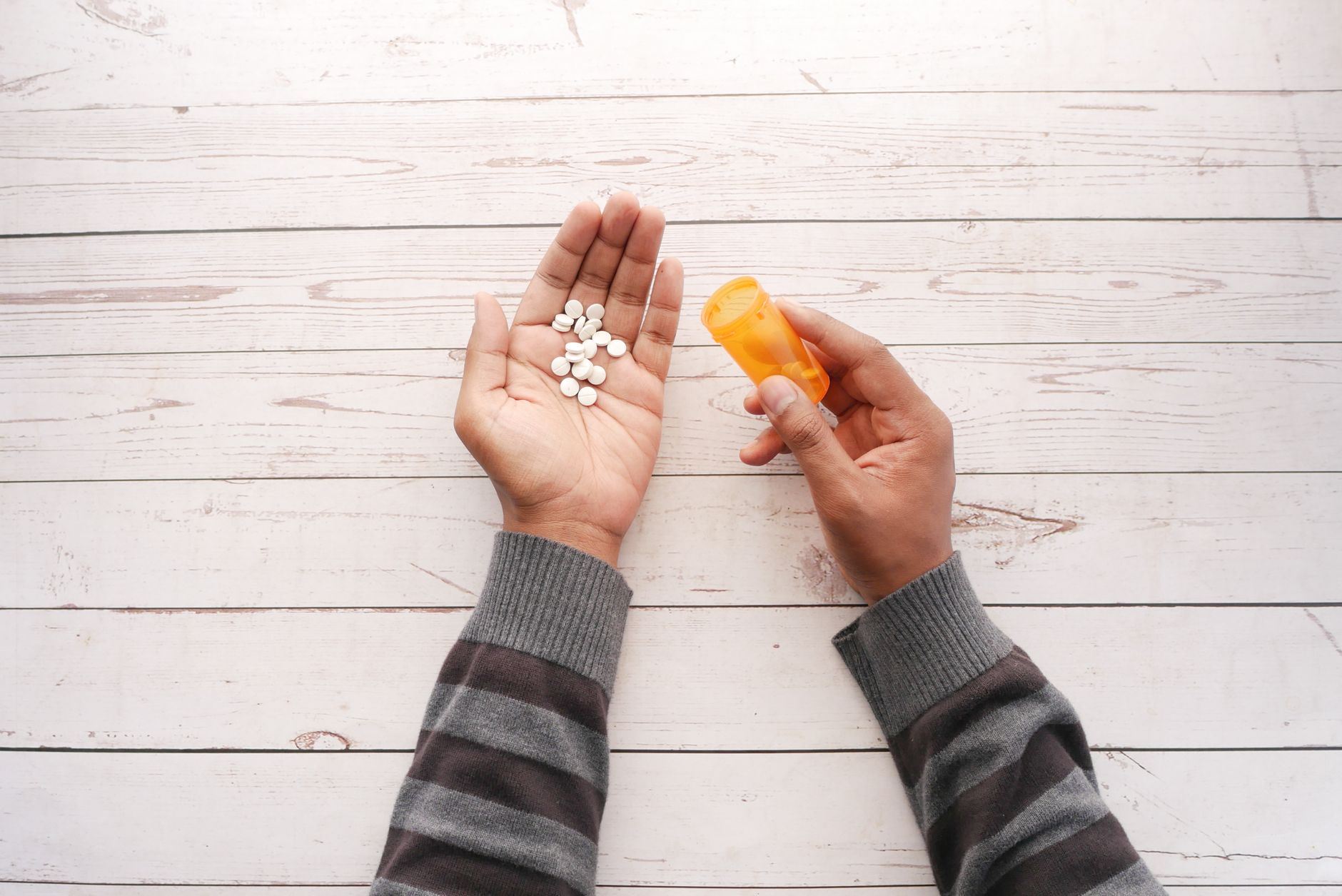
When I finally cleaned out our medicine cabinet, I found a cough syrup that expired three years ago, a half-used antibiotic, and eye drops I could not remember opening. My instinct was to just toss it all in the trash, or maybe flush the scary-looking stuff.
Turns out both of those instincts can be wrong.
So let’s do this properly. How to dispose of expired medicines the way the FDA actually recommends, which few medicines should be flushed, how long things really last once opened, and what a good home first-aid kit should hold.
Quick note first. I am not a pharmacist or a doctor, and this is general information, not medical advice. Your pharmacist is a free expert on all of this, and the medicine’s own label always wins over any general rule here.

Photo: RDNE Stock project / Pexels
Why does it matter how you throw medicine away?
It is tempting to think a pill in the trash is no big deal. But two real risks make this worth a few minutes of care.
The first is accidental poisoning. A child or a pet can find and swallow discarded medicine surprisingly easily.
The second is misuse. Leftover opioids in particular, like oxycodone, hydrocodone, codeine, and morphine, are among the most misused prescription drugs. Getting them out of the house quickly is a genuine safety move.
So the goal is simple: get unused medicine out of your home in a way that is safe for people, pets, and the water supply.
The best option: a drug take-back
If you remember one thing, remember this.
A drug take-back is the best way to dispose of almost any medicine.
You have a few ways to do it.
- Take-back locations. Many retail, hospital, and clinic pharmacies have permanent drop-off kiosks, and so do many police stations. Search “drug disposal near me” to find one.
- Mail-back envelopes. Some pharmacies offer prepaid drug mail-back envelopes you can drop in the mail.
- DEA Take Back Day. Twice a year, the DEA runs a National Prescription Drug Take Back Day. The event on October 25, 2025 collected over 571,000 pounds of medicine in a single day, and more than 20 million pounds have been collected since 2010. They take tablets, capsules, patches, and more.

Take-back works for the widest range of medicines and keeps them out of both the wrong hands and the water. It is the default I would reach for every time.

Photo: Amornthep Srina / Pexels
The short “flush list,” and why most medicines should not be flushed
Here is where my old instinct was exactly backwards.
Flushing is not the general rule. It is reserved for a very short, specific set of medicines called the FDA flush list.
The flush list is only about 13 active ingredients, ten of them opioids. They are on the list for one reason: they can be fatal in a single small dose to a child, a pet, or anyone they were not prescribed to. The classic example is a fentanyl patch, which still holds a lot of medicine even after it has been used, so the label tells you to flush the used patch right away.
So the rule is two simple lines.
If it is on the flush list and no take-back is handy, flush it. If it is not on the flush list, do not flush it.
Everything else goes to take-back or, if you have no other choice, the trash.
How to throw medicine in the trash safely
Sometimes there is no take-back nearby and the medicine is not on the flush list. In that case, the household trash is fine, but there is a right way to do it.

- Take the medicine out of its original container.
- Mix it with something undesirable like used coffee grounds, dirt, or cat litter, so it is unappealing and unrecognizable.
- Seal that mixture in a zip-top bag or an old container so nothing leaks.
- Throw it in your household trash.
- Scratch out your personal information on the empty packaging before you toss it.
That coffee-grounds step sounds odd the first time, but it is exactly what the FDA recommends.
Does opened medicine still last until the date on the box?
This one surprised me most.
The printed expiration date assumes an unopened product stored properly. Once you open something, the clock can change.
Eye drops are the clearest example.
- Eye drops with preservatives are often meant to be discarded about 28 days after opening, even if the box date is far away.
- Preservative-free, single-use drops should be thrown out right after use.
- Antibiotic eye drops may only be good for days to a few weeks once opened.
And a rule that applies to almost everything: if a medicine looks cloudy, discolored, or separated, or smells off, throw it out no matter what the date says. Store medicines somewhere cool and dry, because the heat and humidity of a bathroom can quietly shorten their life. When in doubt, ask your pharmacist.
What belongs in a home first-aid kit?
Clearing out old medicine is a good moment to check what you actually have ready for an emergency. The American Red Cross has a solid baseline.

- Wound care: sterile gauze pads, adhesive bandages in assorted sizes, cloth tape, triangular and roller bandages.
- Tools: scissors, tweezers, a digital thermometer, and disposable gloves.
- Cleaning: antiseptic wipes and hand sanitizer.
- Medicines: pain and fever relievers like acetaminophen and ibuprofen.
- Personal: an emergency phone number list, and any of your own prescription medicines or items your provider suggests.
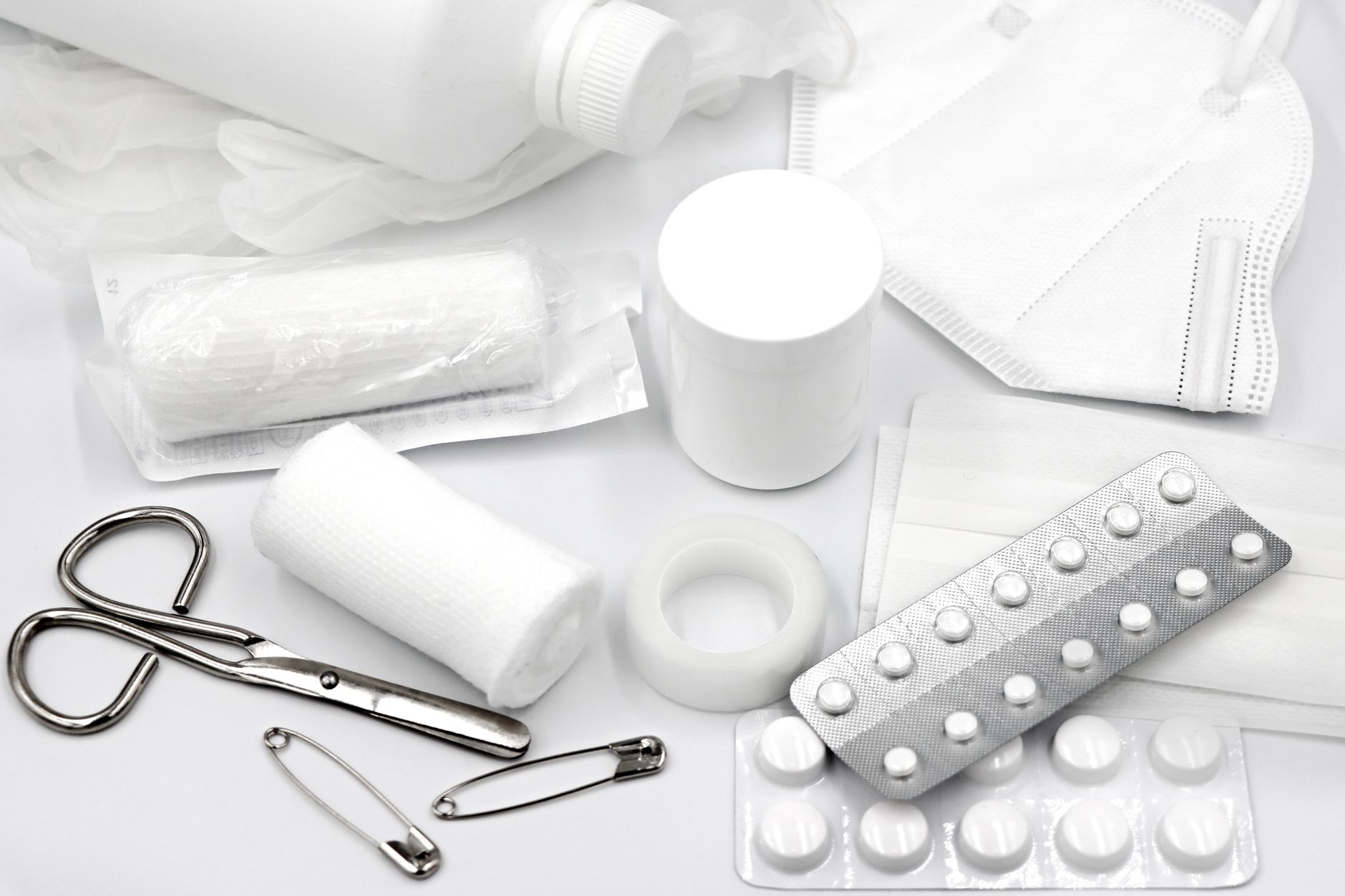
Photo: Marta Branco / Pexels
One last habit worth building: check the kit’s expiration dates a couple of times a year and replace anything used or out of date. A first-aid kit is only as good as its freshest supplies.
The short version
If I compress the whole cleanout into a few lines, here it is.
Take-back is the best way to dispose of expired medicines. Only flush the short FDA flush list, like fentanyl patches, and nothing else. For the trash, mix medicine with coffee grounds, seal it, and scratch out your name. Opened eye drops and liquids often expire before the box date, so trust your eyes and nose. And while you are at it, restock the first-aid kit and toss what has expired.
None of it is complicated. It is just a handful of small, careful steps that keep a child, a pet, or the water supply out of harm’s way.
And a clean, current medicine cabinet is a quietly reassuring thing to have when you actually need it.
References
- FDA — Disposal of Unused Medicines; Drug Take-Back Options; Flush List; Dispose Non-Flush-List Medicine in Trash
- DEA — National Prescription Drug Take Back Day (Oct 25, 2025 totals)
- EPA — The Limited Role of the FDA’s Flush List
- American Red Cross — Make a First Aid Kit: What to Include
- American Academy of Ophthalmology — How long after opening is it safe to use eye drops