
Leftover Soup Can Make You Sick: Cool Fast, Reheat to 165°F
Fridge soup can still make you sick. Why slow cooling is the real risk, the 165°F reheat rule for leftovers, and why boiling cannot undo heat-proof toxins.

Fridge soup can still make you sick. Why slow cooling is the real risk, the 165°F reheat rule for leftovers, and why boiling cannot undo heat-proof toxins.

Cut your hand cooking? Press first, rinse under tap water, skip the peroxide and iodine, and learn when a kitchen knife cut needs stitches or a tetanus shot.
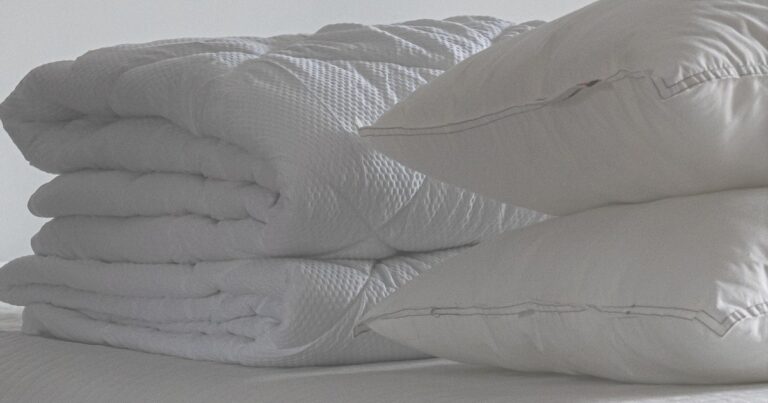
Dust mites in bedding don’t bite or cause acne. How often to wash, the 130°F vs 120°F debate, why the hot dryer matters, and which itches mean something else.
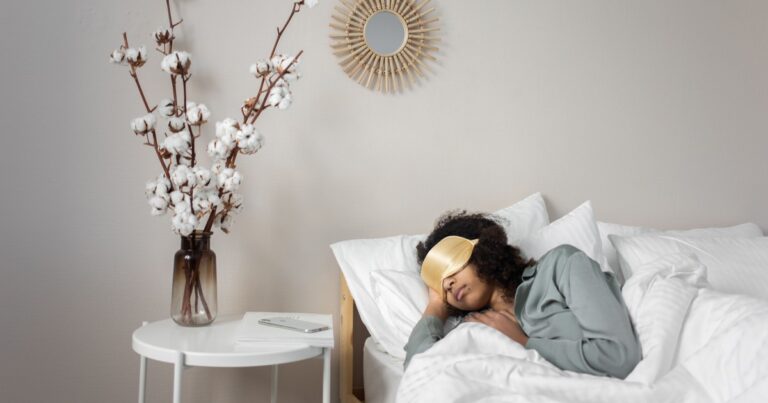
Gritty eyes artificial tears don’t fix may point to your eyelid oil glands. How to use a warm compress that stays warm, massage gently, and when to get help.
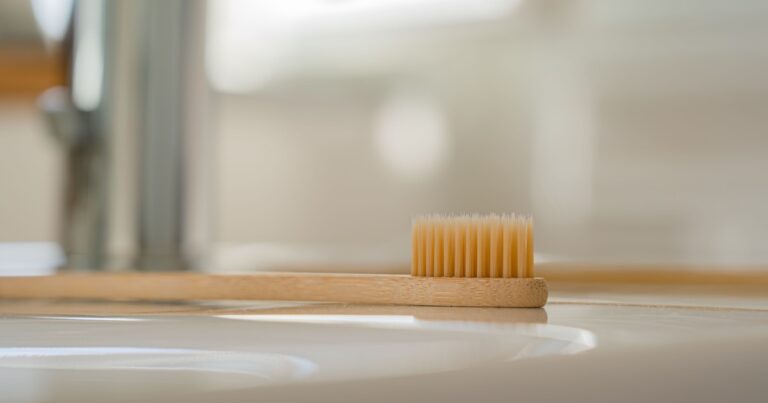
Bleeding gums usually mean plaque at the gumline, not a weak scrub. The ADA’s fix: soft brush, 45° angle, gentle short strokes — and when to see a dentist.

No FDA or USP rule sets how long medicine lasts after opening. What your label specifies — 14 days, 28 days or the printed date — and how to check it.
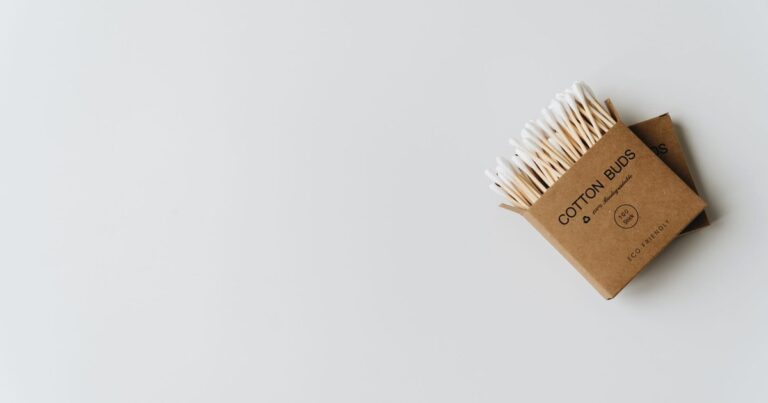
Cotton swabs push earwax deeper and send about 34 US kids to the ER a day. What ear cleaning really does, and the safer way to handle a blocked ear.
Brief spinning when you roll over is usually BPPV — loose inner-ear crystals. Here’s the vertigo that means 911, and why “rest and keep still” is wrong.

Allergic rhinitis bedroom setup depends on your trigger: EPA’s real humidity target, plus why open windows help a dust-mite nose and hurt a pollen one.

Sealing the house on a high-AQI day traps CO2, VOCs and gas-stove benzene. Your stove does not make radon. When to open the windows, and when not to.