Cotton Swab Ear Cleaning: What It Really Does to Your Ear
That After-Shower Cotton Swab Is Not Cleaning Your Ear — It Is Packing the Wax Deeper
“You reach for a cotton swab after every shower — here’s what that’s actually doing inside your ear.”
That sentence is where most of us start, and I started there too, for about fifteen years.
Shower, towel off, grab a cotton swab, one ear then the other.
It felt clean. It felt responsible.
The reason I gave myself, if I gave one at all, was that old earwax sits in there and eventually goes bad, so somebody has to get it out.
That reason is not true, and it is worth knowing that before anything else.
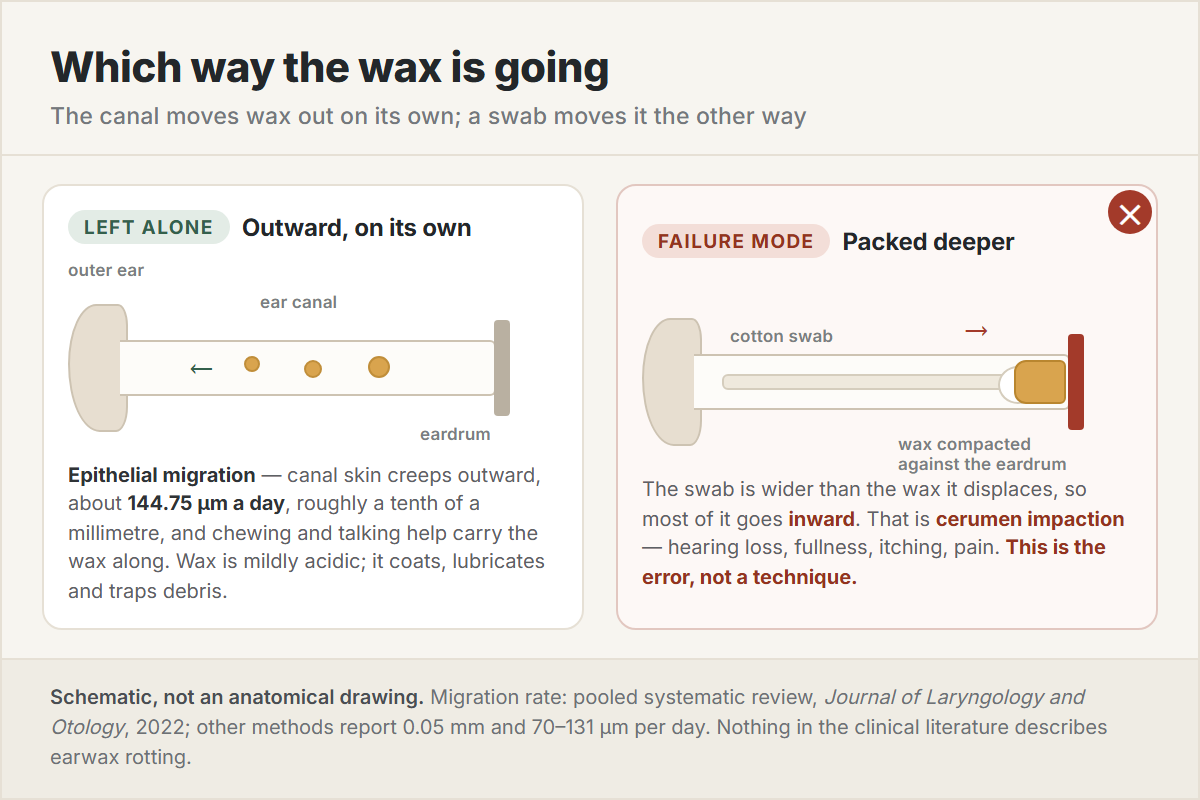
Nothing in the clinical literature describes earwax rotting. What a cotton swab actually does inside your ear is compact the wax against your eardrum — and that is a documented problem with a name.
So the first thing I had to throw out, when I went looking at the rest of the evidence on cotton swab ear cleaning, was my own reason for doing it.
The real risks are different, better documented, and honestly more convincing.
Here is what I found, including the part where I had to admit my own habit was the problem.
This article is general health information, not medical advice. It does not diagnose any condition and is not a substitute for examination by a licensed clinician. Ear symptoms overlap: an ear that feels blocked can be earwax, a middle-ear infection, an ear-canal infection, or sudden sensorineural hearing loss — which is time-critical. If you are unsure what is causing your symptoms, be seen rather than treated at home.
Photo: alleksana / Pexels
Earwax does not rot — and that matters, because the real problems are named things
Let me clear this one up first, since it is the reason a lot of people dig in the first place.
Nothing in the clinical or regulatory literature describes earwax rotting, going rancid, decaying, or fermenting in the ear.
It is not a mechanism. It is a story.
Wax does darken over time — it oxidizes and picks up shed skin cells and debris — and a color change on its own, with no pain, no discharge and no change in hearing, is generally considered normal rather than a warning sign.
That specific point comes from ENT patient-education material rather than a formal guideline, so treat it as reassurance, not as a study finding.
And this part is worth saying plainly: smell or discharge from an ear is a sign of infection, not a sign of wax going bad. It is a reason to be examined, not a reason to clean harder.
So what actually goes wrong in an ear? Four things, and all four have names.
| What people say | What is actually being described |
|---|---|
| “Old wax rots and makes you deaf” | Cerumen impaction — wax that builds up until it causes symptoms or blocks a clinician’s view of the eardrum. Hearing loss, fullness, itching, pain, ringing, even a cough. In older adults it can cause a reversible cognitive impairment. |
| “Rotting wax causes infection” | Acute otitis externa — swimmer’s ear, an infection of the canal skin, tied to water exposure, warm humid conditions, and putting objects in the canal. |
| “The wax turned into fungus” | Otomycosis — a fungal canal infection. People with diabetes or a weakened immune system are particularly susceptible to it, and to necrotizing otitis externa. |
| “You have to dig it out before it goes bad” | Tympanic membrane perforation — a hole in the eardrum, plus canal cuts and scrapes. This is the injury the digging itself causes. |
Notice that three of the four get more likely when you put something in the canal, not less.
What the US emergency room data says about cotton swabs
This is the number that changed my mind, so I will give it to you straight.
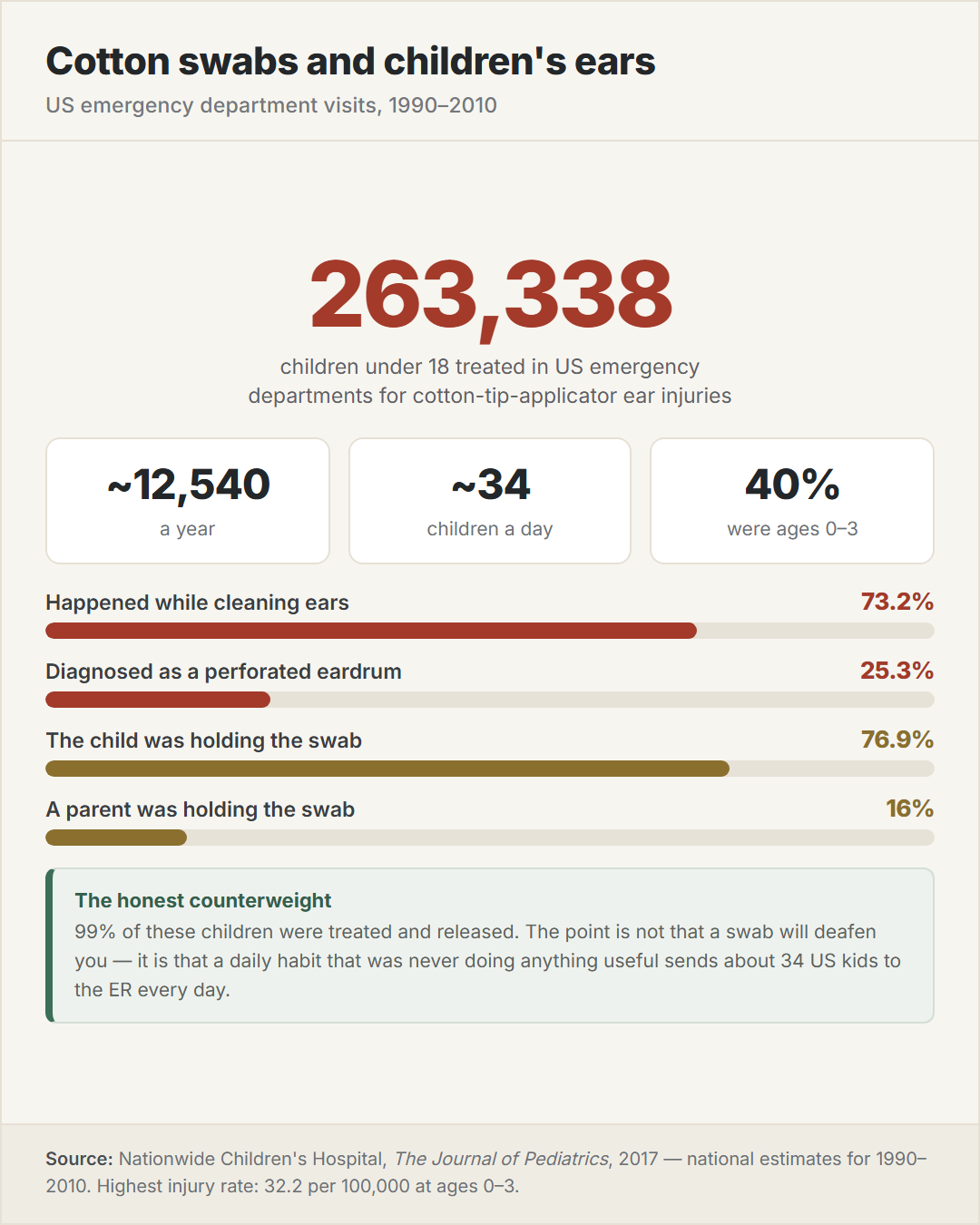
Researchers at Nationwide Children’s Hospital, publishing in The Journal of Pediatrics in 2017, estimated that 263,338 US children under 18 were treated in emergency departments for cotton-tip-applicator ear injuries between 1990 and 2010.
That works out to about 12,540 a year — roughly 34 children a day.
Then the details:
- 73.2% of those injuries happened while cleaning ears. Not playing, not falling — cleaning.
- 25.3% of the diagnoses were perforated eardrums. Roughly 30% were a foreign body or the sensation of one, about 23% soft tissue cuts and scrapes.
- The child was holding the swab 76.9% of the time. A parent was holding it 16% of the time.
- The highest injury rate was in the youngest kids — 32.2 per 100,000 for ages 0 to 3, an age band that accounted for 40% of all injuries.
And here is the honest counterweight, because I do not want to oversell this: 99% of those children were treated and released.
Most of these injuries are not catastrophes.
The point is not that a swab will deafen you.
The point is that a routine, mundane daily habit is sending about 34 American kids to the emergency room every day, a quarter of them with a hole in the eardrum — and the habit was never doing anything useful in the first place.
Your ear canal already cleans itself, and it is better at it than you are
Here is the part nobody teaches you.
The skin lining your ear canal and eardrum migrates outward, like a very slow conveyor belt, carrying wax and debris toward the opening.
It is called epithelial migration, and jaw movement — chewing, talking — helps push the wax along.
A 2022 systematic review in the Journal of Laryngology and Otology, pooling ten studies, found the fastest site is the external auditory canal itself, at a mean of about 144.75 μm per day.
That is on the order of a tenth of a millimeter a day.
I should note the figures vary a lot by study and by site.
Alberti’s classic 1964 ink-dot experiments averaged 0.05 mm per day, and other work reports 70 to 131 μm per day.
Different methods, different spots in the canal — the honest summary is “slow, steady, and outward.”
So what is earwax actually doing?
Earwax is mildly acidic, and it coats, lubricates, and physically traps dust, debris and the occasional insect.
That mechanical role is well supported.
The popular version goes further and calls wax the ear’s own built-in germ killer, and that is where I have to hedge.
Laboratory studies of germ-killing effects are genuinely mixed and contested — some found bactericidal activity in artificial buffer conditions that do not resemble a living ear canal, and at least one line of research found the opposite, with cerumen appearing to favor E. coli growth. Reviewers put the disagreement down to individual variation, culture media, and methodology.
What is better anchored is this: clinical studies have noted that when the ear canal loses its acidity and shifts alkaline, otitis externa becomes more likely.
That is a reason to leave the canal’s normal environment alone.
It is not the same as proving that wax destroys germs inside a living ear.
Who actually gets impacted wax
Impaction is common enough to take seriously and rare enough not to panic about:
- About 10% of children and 5% of healthy adults.
- Up to 57% of nursing home residents; older adults sit at the high end across studies.
- Roughly a third of adults with intellectual disability.
- Hearing aid users are a recognized at-risk group, because the device is a physical barrier to the wax working its way out. The US guideline asks clinicians to look in the ears of hearing aid users at every visit. I have seen a specific percentage quoted for this group, but I could not verify one, so I am not printing one.
The problem is depth and habit — not the shower
I want to be careful here, because this is where the usual advice goes soft.
The post-shower timing has never actually been studied as a risk factor.
Warm, wet, softened canal skin is a plausible reason abrasion would be worse, and damp canals are an independent setting for swimmer’s ear — but that is mechanism, not a measured finding, and I am not going to dress it up as one.
Which means the advice “don’t use swabs after showering” is quietly wrong, because it licenses swabbing at every other hour of the day.
The line that actually matters is not when. It is how deep.
Wiping the outer ear dry with a towel or washcloth is fine. The visible part — the pinna, the little bowl at the entrance — is yours to clean, and drying it after water exposure is sensible.
Putting a swab, a pick, a finger or a folded corner of towel into the canal is not fine. Not after a shower, not on a Tuesday afternoon, not gently, not “just the edge.”
The AAO-HNS puts it in one memorable line: don’t put anything smaller than your elbow in your ear.
The CDC’s consumer guidance is blunter: “Do not try to remove ear wax… If you think your ear canal is blocked by ear wax, consult your health-care provider rather than trying to remove it yourself.”
For most people, the right amount of ear-canal cleaning is none.
That is genuinely hard to accept when you have done it daily for years. I know. But the ear-cleaning habit is not neutral — excessive cleaning irritates the canal, invites infection, and actually raises the odds of the impaction you were trying to prevent.
Some scale on the infection side, from CDC data covering 2003 to 2007: acute otitis externa accounted for about 2.4 million US health-care visits a year, roughly 8.1 per 1,000 people and about half a billion dollars in direct costs, with 44% of visits falling between June and August.
Rates were highest in children aged 5 to 9 (18.6 per 1,000) and 10 to 14 (15.8 per 1,000), though 53% of visits were adults 20 and over.
Photo: SHVETS production / Pexels
Home methods, graded honestly
Reminder before the how-to: this is general information, not medical advice, and it assumes a healthy ear with no symptoms beyond mild fullness. If you are unsure what is going on in your ear, be examined rather than treated at home.
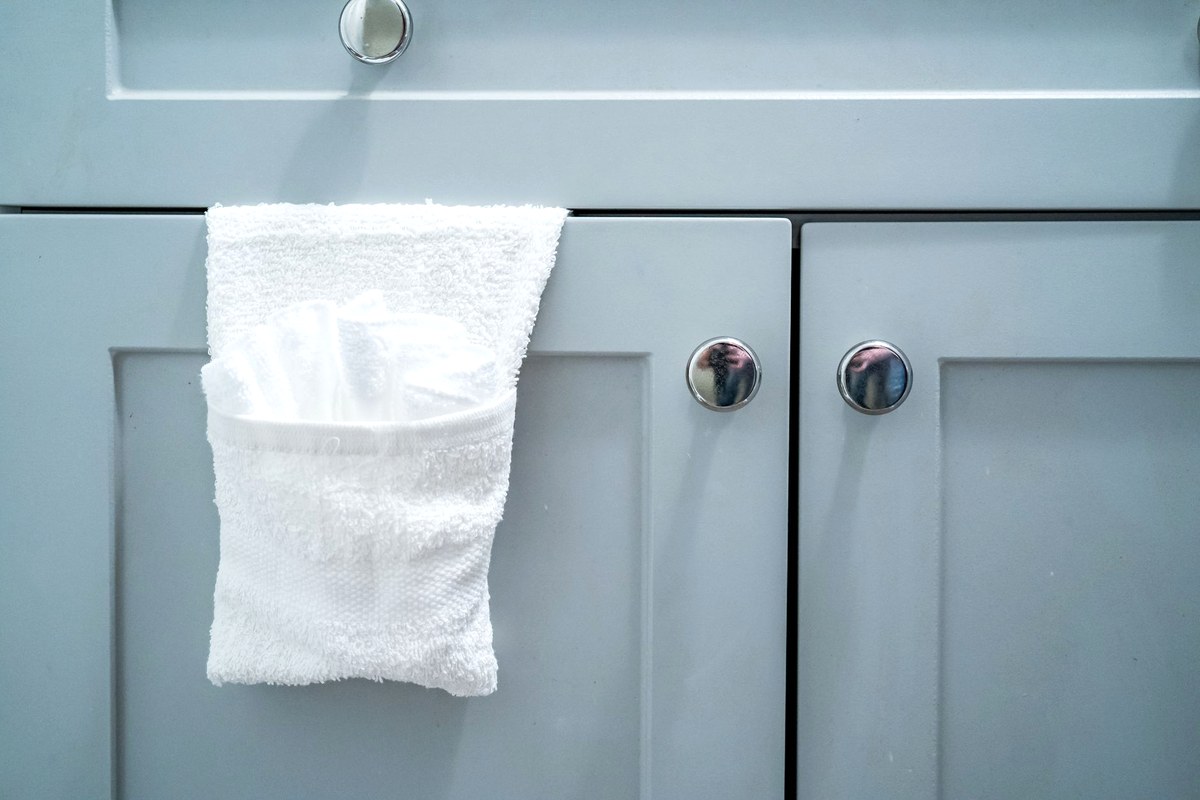
Photo: Jessica Lewis 🦋 thepaintedsquare / Pexels
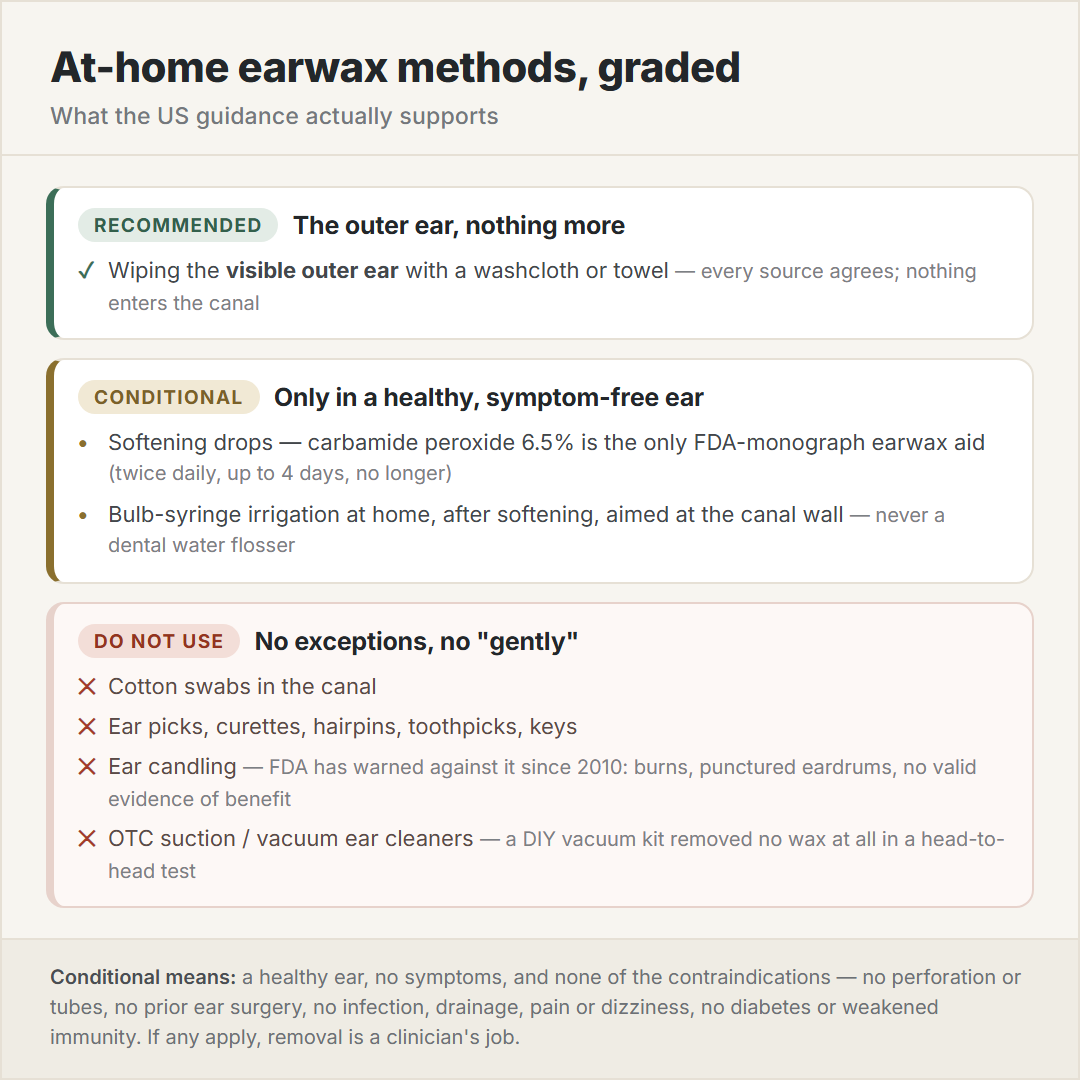
| Method | Verdict |
|---|---|
| Wiping the outer ear only with a washcloth | Recommended |
| Softening drops (cerumenolytics) | Conditional |
| Bulb-syringe irrigation at home | Conditional |
| Cotton swabs in the canal | Do not use |
| Ear picks, curettes, hairpins, toothpicks, keys | Do not use |
| Ear candling | Do not use |
| OTC suction/vacuum ear cleaners | Do not use |
Recommended: the outer ear and nothing more
A washcloth on the visible outer ear is the ceiling of routine self-care.
Nothing enters the canal. Every source I read agrees on this one.
Conditional: softening drops
Carbamide peroxide 6.5% in anhydrous glycerin is the only active ingredient recognized under the FDA’s OTC monograph as an earwax removal aid.
The labeled use is to tilt your head, put in 5 to 10 drops, stay tilted several minutes — twice daily, for up to 4 days, and no longer.
The label’s own warnings: do not use with ear drainage or discharge, ear pain, irritation, rash, or dizziness, and do not use after ear surgery unless a doctor tells you to.
A few others in the cabinet:
- Household 3% hydrogen peroxide shows up in clinical lists of water-based softeners, but consumer use has reported downsides — canal irritation, drying and cracking, pain, bleeding — and it is clearly dangerous with a perforated eardrum. The strongest cautions I found came from clinic patient-education pages rather than guidelines, so I would call it weaker footing rather than settled. Never use it undiluted.
- Mineral oil, baby oil, glycerin, or plain water are all listed by MedlinePlus as softeners.
- Olive oil is a real disagreement. American Family Physician’s 2018 review groups olive oil drops with cotton swabs and ear candling as ineffective with potential adverse effects, while olive oil is standard pre-treatment in the UK and a comparator in ongoing trials. Both positions exist; the US guidance is the more skeptical one.
And the finding that keeps everyone humble — a 2018 Cochrane review of 10 studies and 623 participants found no high-quality evidence, and no proven advantage of commercial drops over plain water or saline.
Any drops probably beat nothing. Nothing proves one beats water.
Conditional: bulb-syringe irrigation, and only after softening
MedlinePlus describes the technique: body-temperature water, directed gently against the canal wall rather than straight at the eardrum, repeated as needed, then dry the ear thoroughly.
Two absolute rules go with it.
Never use a dental water flosser in your ear — jet irrigators designed for teeth are explicitly prohibited.
And do not irrigate an ear you cannot vouch for, which brings us to the list below.
Even performed properly by clinicians, ear irrigation carries roughly a 1-in-1,000 rate of major complications such as perforation or vertigo. That is a small number, and it is also a good argument for letting someone who can actually see inside the ear do it.
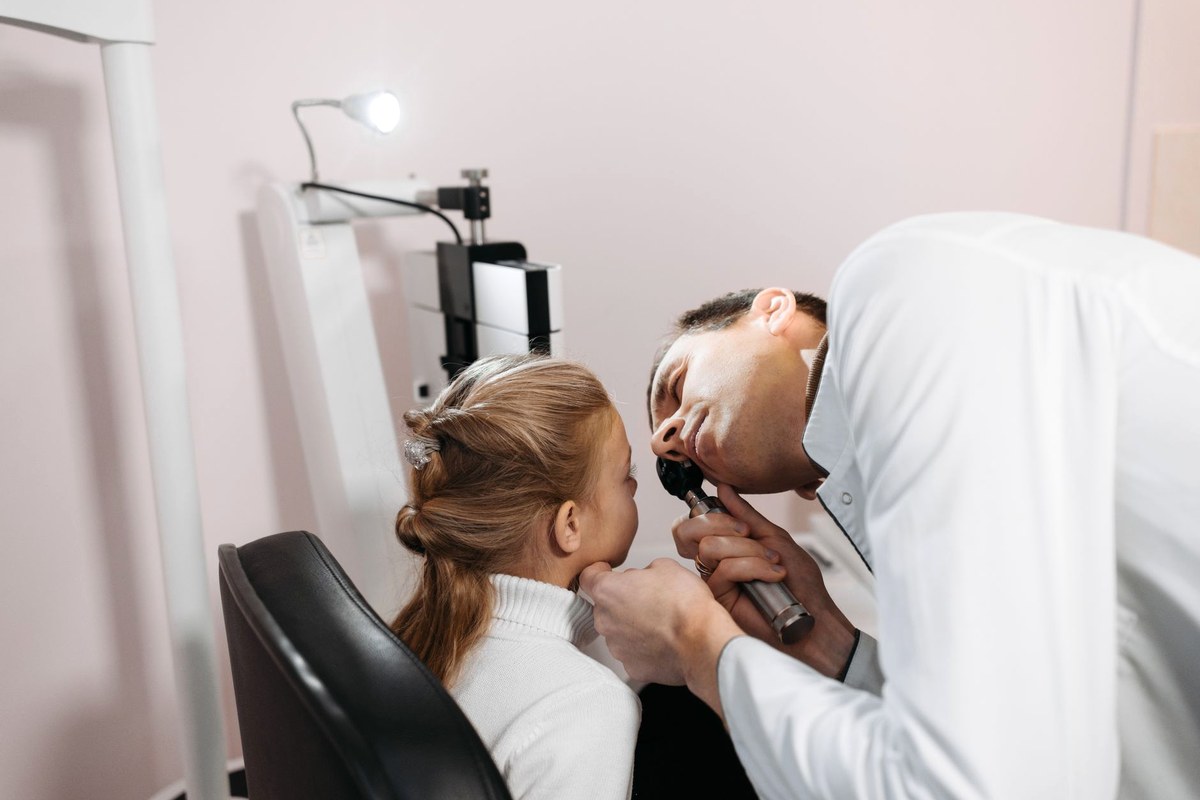
Photo: Pavel Danilyuk / Pexels
Do not use: candles, picks, and gadgets
Ear candling should not be used. I am not going to present it as an option people can weigh.
The FDA has warned consumers against ear candles since 2010 — burns to the face, ear canal, eardrum and middle ear, injury from dripping wax, ears plugged by candle wax, bleeding, punctured eardrums — and notes these can happen even when the product is used according to the manufacturer’s directions. The FDA states there is “no valid scientific evidence for any medical benefit from their use,” has sent warning letters, seized product, and maintains an import alert. It also flags the risk of a delayed diagnosis while someone burns a cone in their ear instead of getting examined. The AAO-HNSF guideline discourages it; American Family Physician calls it ineffective with potential adverse effects. It is especially dangerous for children.
Consumer suction gadgets have not been shown to work. In a head-to-head comparison against a clinician’s Jobson-Horne probe, a do-it-yourself ear vacuum kit removed no wax at all. Do not confuse these with professional microsuction, which is a clinician procedure done under magnification.
The camera-tipped “smart” ear cleaners have no evaluation I could find at all — and whatever the camera shows, the act is still instrumentation inside your canal.
Ear picks, curettes, hairpins, toothpicks and car keys are named in the AAO-HNS patient handout as causes of injury. Manual removal with instruments is a clinic procedure, not a bathroom one.
The contraindication list, in full
Do not attempt any at-home canal treatment — drops or irrigation — if any of these apply to you:
- History of eardrum perforation
- Tympanostomy (ear) tubes in place
- Prior ear surgery
- Current or suspected ear infection (middle ear or ear canal)
- Drainage, discharge or bleeding from the ear
- Ear pain
- Dizziness or vertigo
- Diabetes
- A weakened immune system
- Anticoagulant (blood thinner) therapy
- Prior radiation to the head or neck
- Known narrow ear canal or bony growths (exostoses)
In any of these situations, removal is a clinician’s job, full stop.
And do not clean a child’s ear canal at home — remember that 16% figure, the one where a parent was holding the swab.
When to seek care
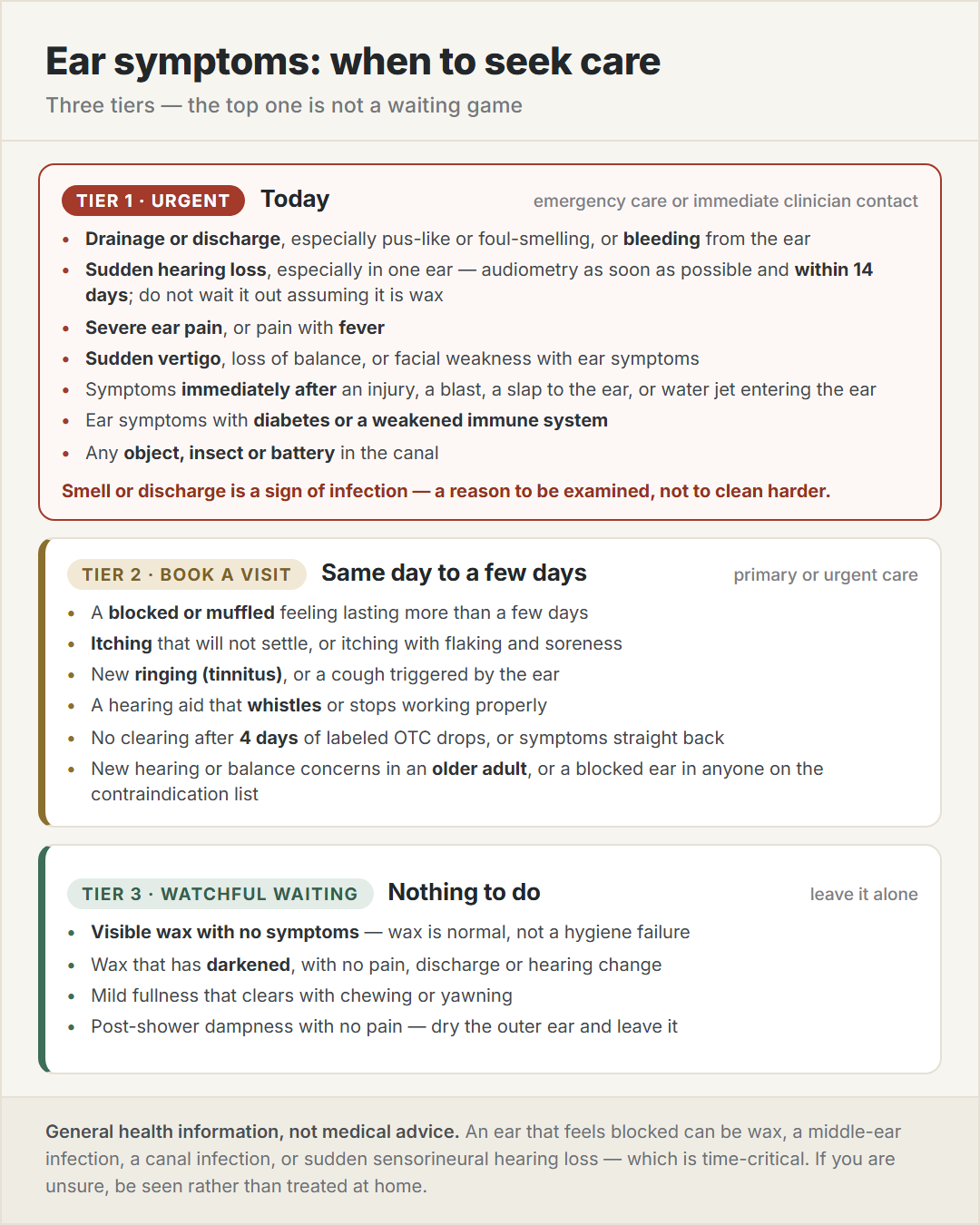
Tier 1 — Urgent (today: emergency care or immediate clinician contact)
- Drainage or discharge from the ear, especially pus-like or foul-smelling
- Bleeding from the ear
- Sudden hearing loss, especially in one ear — this can be sudden sensorineural hearing loss, which needs audiometry as soon as possible and within 14 days, because steroid treatment is offered within roughly two weeks of onset. Do not wait it out assuming it is wax.
- Severe ear pain, or pain with fever
- Sudden vertigo, loss of balance, or facial weakness alongside ear symptoms
- Ear symptoms immediately after an injury, a loud blast, a slap to the ear, or an object or water jet entering the ear
- Ear symptoms in someone with diabetes or a weakened immune system — higher risk of necrotizing otitis externa
- Any object, insect, or battery in the ear canal
Tier 2 — Book a visit (same day to a few days; primary care or urgent care)
- A blocked or plugged feeling, muffled hearing, or fullness lasting more than a few days
- Itching in the canal that will not settle, or itching with flaking and soreness
- New ringing (tinnitus), or a cough triggered by the ear
- A hearing aid that whistles, feeds back, or stops working properly — a classic sign of wax buildup
- Wax that did not clear after 4 days of labeled OTC drops, or symptoms that came straight back
- New hearing or balance concerns in an older adult — impaction-related hearing loss can cause reversible cognitive impairment, so it is worth checking
- Anyone on the contraindication list above who has a blocked ear
Tier 3 — Watchful waiting (nothing to do)
- Visible wax with no symptoms. Wax is normal and is not a hygiene failure. Impaction is defined by symptoms or a blocked view of the eardrum — not by wax being present.
- Wax that has darkened from yellow to brown, with no pain, discharge, or hearing change
- Mild, occasional fullness that clears on its own with chewing or yawning
- Post-shower dampness with no pain or hearing change — dry the outer ear and leave it alone. If water exposure is frequent and the ear turns itchy or sore, that moves to Tier 2.

Photo: Cedric Fauntleroy / Pexels
Who to call first in the US — and it is not the ENT
I had this backwards too.
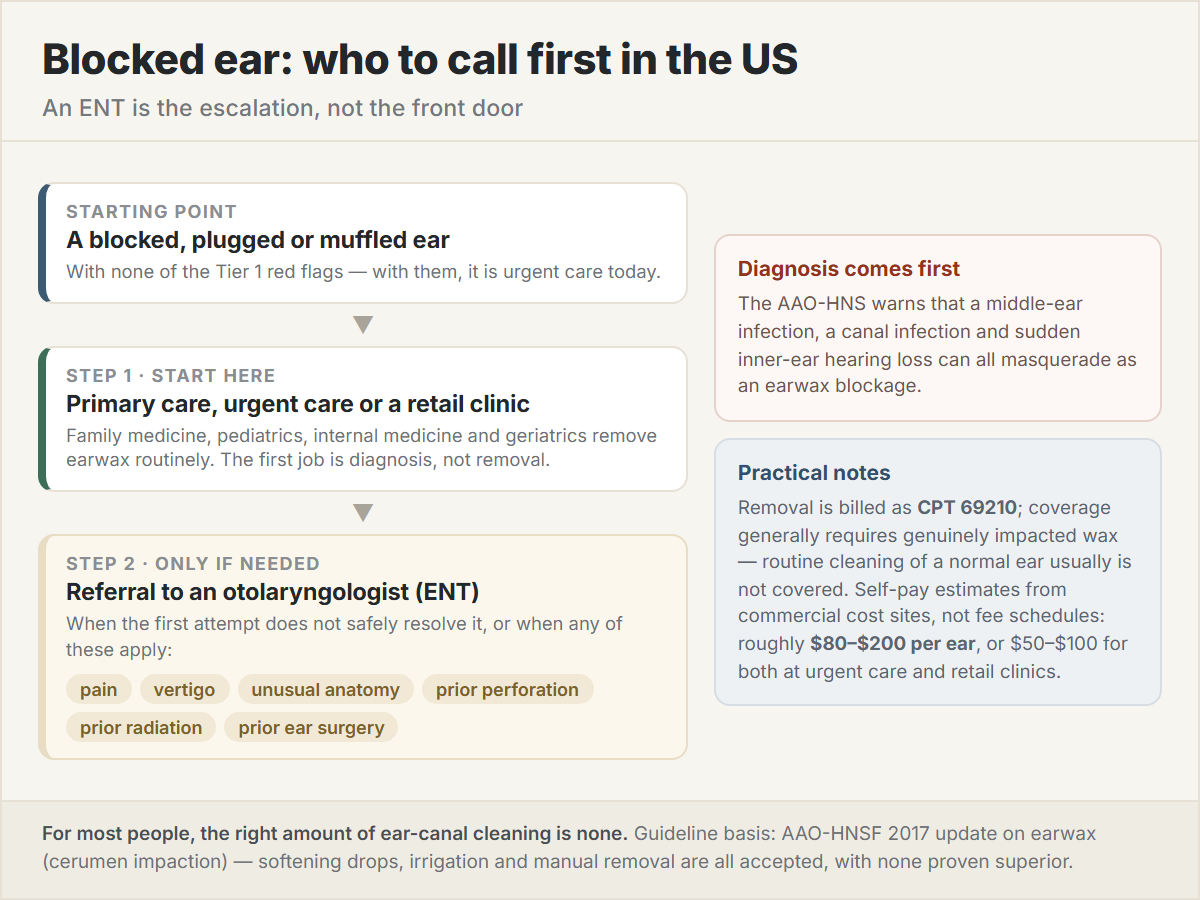
In the American system, an ENT is the escalation, not the front door.
Start with your primary care clinician, or an urgent care or retail clinic. Family medicine, pediatrics, internal medicine and geriatrics all perform earwax removal routinely.
They refer onward to an otolaryngologist when the first attempt does not safely resolve it, or when there is pain, vertigo, unusual anatomy, a history of perforation, prior radiation, or prior ear surgery.
And there is a reason the first job is diagnosis rather than removal: the AAO-HNS warns that middle-ear infection, ear-canal infection and sudden inner-ear hearing loss can all masquerade as an earwax blockage.
“Itchy and plugged, so suck the wax out” is the wrong reflex.
A few practical notes:
- Removal is billed as CPT 69210, and coverage generally requires that the wax is genuinely impacted — routine cleaning of a normal ear usually is not covered.
- On cost, I can only give you a ballpark: figures from commercial cost-estimator sites — not official fee schedules — put self-pay roughly in the $80–$200 per ear range, with urgent care and retail clinics often quoted around $50–$100 for both ears. Treat those as rough and regional, and ask before you book.
- The governing US document is the AAO-HNSF’s 2017 update on earwax (cerumen impaction), built around a set of eleven key action statements. It asks clinicians to teach proper ear hygiene and to counsel patients against cotton swabs and small objects; it accepts three removal approaches — softening drops including water or saline, irrigation, and manual removal with instruments — with none proven superior; and it discourages ear candling.
Related reading: [내부링크: 관련 글 – swimmer’s ear (acute otitis externa) prevention for swimmers], and if you keep a home irrigation habit of any kind, the same water-safety thinking applies to nasal irrigation done safely. Worth checking your home first-aid kit and expired medicines too, since old ear drops tend to live there.
The one line I’d keep if I forgot everything else
I still keep cotton swabs in the bathroom. They are useful for a dozen things.
What changed is that they no longer go anywhere near the inside of my ear — not after a shower, not ever — and the odd thing is that nothing bad happened when I stopped. No buildup. No blocked feeling. The conveyor belt was working the whole time, and I had been interrupting it twice a day for fifteen years.
If you keep one sentence from all of this, keep this one:
If you can see it, you can wipe it. If you can’t see it, you can’t clean it — and if it hurts, drains, bleeds, or your hearing drops suddenly, that’s a clinician’s problem today, not a cotton swab’s.
The habit is not the hard part to break.
Believing your ears will be fine without you is.
References
- FDA — OTC Monograph M014, Topical Otic Drug Products for OTC Human Use (carbamide peroxide 6.5%)
- FDA — Don’t Get Burned: Stay Away From Ear Candles and Import Alert 77-01
- CDC — Estimated Burden of Acute Otitis Externa, United States, 2003–2007, MMWR, May 2011
- AAO-HNSF — Clinical Practice Guideline (Update): Earwax (Cerumen Impaction), 2017 and the patient handout Dos and Don’ts of Earwax
- AAO-HNSF — Clinical Practice Guideline: Sudden Hearing Loss (Update), 2019
- American Family Physician — Cerumen Impaction: Diagnosis and Management, 2018
- The Journal of Pediatrics — Pediatric Cotton-Tip Applicator-Related Ear Injury Treated in United States Emergency Departments, 1990–2010, 2017
- Cochrane Database of Systematic Reviews — Ear drops for the removal of ear wax, 2018
- Journal of Laryngology and Otology — The rate and pattern of otic epithelial migration: systematic review, 2022
- NIH MedlinePlus — Ear wax; StatPearls — Ear Irrigation